In the world of mechanical keyboards, few terms spark as much interest among enthusiasts as the “creamiest keyboard.” This phrase describes a typing feel that is exceptionally smooth, quiet, and buttery—almost like gliding through soft butter with every keystroke. It’s not just about sound or speed. It’s about precision, consistency, and tactile pleasure.
More users are seeking this sensation for gaming, programming, and everyday writing. The creamiest keyboard delivers minimal friction, zero wobble, and a seamless actuation experience. Whether you’re a content creator, coder, or casual typist, upgrading to this level of performance changes how you interact with your device. As custom builds grow in popularity, achieving that flawless feel has become a top priority. Therefore, understanding what makes a keyboard truly creamy is essential.
 What Makes a Keyboard “Creamy”
Defining the Ideal Typing Feel
A creamy typing experience starts with stability and smoothness. Each key must press down without side-to-side movement. Stabilizers play a big role here. High-quality ones reduce rattle in larger keys like spacebars and shifts.
Lubing is another major factor. Lubricants applied to switches and stabilizers cut down on friction. They also silence unwanted noise. Different lube types affect texture. Light oils offer glide. Thicker greases add cushion. Many builders use a mix for balance.
Switch choice matters too. Linear switches like Gateron Oil Kings or Kailh Pro Whites are popular. They provide straight-up-and-down motion. No bumps or clicks mean less resistance. This enhances the creamy effect.
Case dampening helps as well. Soft silicone or foam inside the keyboard frame absorbs vibrations. This results in a deeper, more muted sound. It also improves hand comfort during long sessions.
Finally, plate material affects feel. Brass plates add weight and stability. Aluminum offers rigidity. Both contribute to a premium touch.
Together, these elements create the true essence of the creamiest keyboard.
Popular Switches for a Creamy Build
Choosing the Right Mechanism
Not all switches deliver a creamy feel out of the box. However, some are designed for it. Gateron Milky Yellows stand out. They come pre-lubed and have a silky actuation curve. Their plastic housing reduces ping and noise.
Gateron Oil King clears are another favorite. They use oil-infused mechanisms. This eliminates dry scraping sounds. The result is an ultra-smooth stroke from top to bottom.
Kailh Speed Silvers offer speed and fluidity. Their short travel time doesn’t sacrifice smoothness. With added lube, they achieve a fast yet creamy response.
For those who prefer a softer landing, TTC Gold Domes are excellent. They combine rubber dome comfort with mechanical precision. They’re often used in low-profile creamy builds.
Some users modify stock switches. De-springing reduces spring ping. Adding switch films cuts contact noise. These tweaks fine-tune the feel.
Even vintage switches like Alps can be made creamy. With careful lubing and cleaning, they regain their original smoothness.
The best switch depends on your typing style. Test different types before committing. A good creamy keyboard always starts with the right foundation.
 The Role of Lube in Achieving Creaminess
Smoothing Every Movement
Lubrication is the secret behind most high-end creamy keyboards. Without it, even premium switches can feel scratchy or rough. Lube fills microscopic gaps between parts. This reduces metal-on-metal or plastic-on-plastic contact.
Switches contain several components: stems, housings, sliders, and springs. Each needs proper treatment. Top housing lube reduces outer friction. Stem lube ensures a consistent slide. Spring lube silences coil whine.
Common lubes include Tribosys 32-1, Krytox GPL 105, and Super Lube. These are synthetic oils safe for plastics. They don’t degrade over time. Apply them sparingly. Too much can cause mushiness.
Stabilizers require special attention. Use thicker grease like Krytox 205g0 or Dielectric Grease. This prevents rattle and clack. Install costar or plate-mounted stabs for better control.
Canned air cleans debris before lubing. Isopropyl alcohol wipes remove old grease. Reassembly must be precise. Misaligned parts ruin the smooth feel.
Many builders bake switches after lubing. This sets the lube evenly. It also removes bubbles. The process takes patience but pays off.
Once complete, each keystroke feels refined. There’s no grit, no stickiness. Just pure, uninterrupted glide—the hallmark of the creamiest keyboard.
Case and Plate Materials That Enhance Feel
Building a Stable Foundation
A keyboard’s case and plate shape its overall character. Even the best switches need support. A flexible or hollow case introduces wobble. This breaks the creamy illusion.
Solid aluminum cases absorb vibration. They feel dense and high-quality. Silicone gaskets isolate the plate. This adds bounce without flex. Together, they produce a soft, full-bottom-out.
Foam modding is common. Layering PE foam inside the case kills echo. It deepens the sound profile. This complements the smooth feel.
Plate choices vary. Polycarbonate plates are lightweight. They allow slight flex. Some users prefer this for comfort. Others choose stainless steel for rigidity.
Brass plates are heavy. They increase inertia. This gives a more deliberate keystroke. Combined with lubed switches, they enhance creaminess.
PCBs matter too. Hot-swap boards let users test switches easily. Soldered versions offer tighter connections. Both work if built well.
Mounting styles also influence feel. Gasket mounts allow vertical give. Tray or top mounts feel stiffer. Gasket setups often win for creaminess.
A well-chosen case and plate combo completes the build. They turn a good setup into the creamiest keyboard possible.
 Sound Quality and Acoustics
How Noise Affects the Creamy Illusion
Sound plays a big role in how creamy a keyboard feels. A loud, sharp click breaks immersion. In contrast, a soft, thocky tone supports the buttery illusion.
Many users film sound tests, known as “clack videos.” These help others judge acoustics. A creamy board should have low-pitched, muffled tones. No pings or scratches.
O-ring mods reduce noise. Placed under keycaps, they soften landings. However, they can alter feel. Some prefer internal foam instead.
Keycap material changes sound too. ABS caps are lighter and higher-pitched. PBT caps are denser. They produce deeper, richer tones. Double-shot PBT is best for clarity and durability.
Desoldering LED wires can reduce ping. Lights reflect off housing. This creates a ringing sound. Removing them simplifies the audio profile.
Typing technique affects sound. Heavy hitters may never achieve a silent thock. Light typists get closer.
Ultimately, a creamy sound matches a creamy feel. Both must align for the full experience.
Customization Tips for DIY Builds
Building Your Own Creamiest Keyboard
Creating a creamy keyboard from scratch is rewarding. Start by choosing a proven kit. Options like the ZFR Skyline, KBDfans Durock, or Keycult Neolith offer great bases.
Plan your layout. 65% or 75% models save space. Full-size offers more keys. Pick one that fits your workflow.
Buy switches in bulk. Test them before full installation. Use a switch tester if available.
Lube every switch and stabilizer. Work in a clean area. Avoid dust. Use tweezers and brushes for precision.
Install the plate and PCB carefully. Align all pins. Don’t force anything. Check for even pressure.
Add foam layers. Use 1mm and 2mm sheets. Cut to fit. Stack them for maximum dampening.
Assemble the case. Screw it together slowly. Ensure no gaps. Test each key before closing.
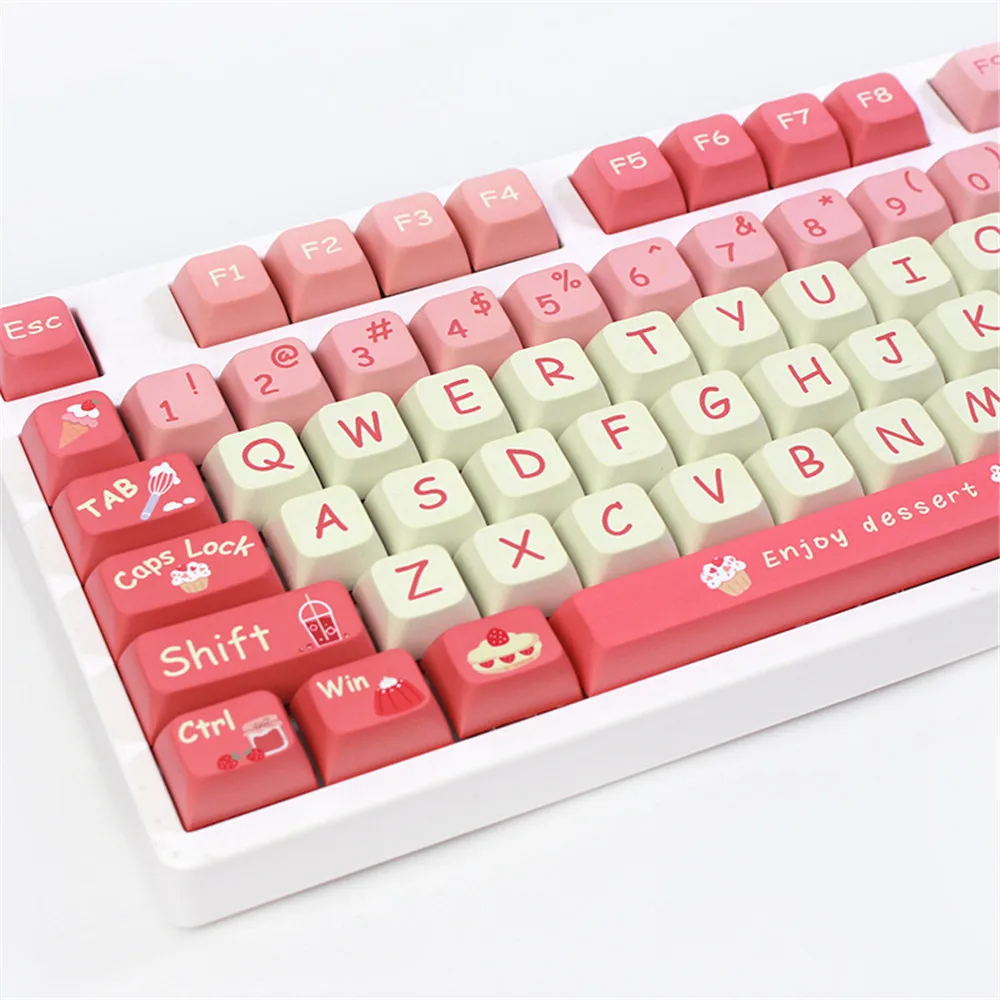
Top it off with PBT keycaps. Choose thick profiles for better sound. Match colors to your style.
This process takes hours. But the result is worth it. You’ll own the creamiest keyboard tailored to your hands.
 Frequently Asked Questions
What does “creamy” mean in keyboard terms?
It describes a smooth, quiet, and consistent typing feel with no friction or rattle.
Can I make my store-bought keyboard creamy?
Yes, with lubed switches, foam modding, and stabilizer tuning.
Do all linear switches feel creamy?
No. Only well-maintained or modified ones achieve this level of smoothness.
Is sound important for creaminess?
Yes. A deep, soft sound enhances the perception of smoothness.
How often should I re-lube switches?
Every 1–2 years, depending on usage and environment.
Are expensive kits worth it?
They offer better materials and design. For serious users, yes.
Can I damage switches while lubing?
Yes, if done incorrectly. Use clean tools and the right amount of lube.
Do keycaps affect creaminess?
Indirectly. They change sound and weight. This influences the overall feel.
 Final Thoughts
The journey to finding or building the creamiest keyboard is both technical and personal. It blends science, craftsmanship, and sensory preference. Every detail—from lube type to case foam—shapes the final experience.
This trend reflects a growing desire for quality over quantity. Users no longer accept stiff or noisy keyboards. They demand buttery precision. As a result, the creamiest keyboard has become a symbol of elite typing performance.
Whether you buy a pre-built model or craft your own, the goal remains the same. Achieve that flawless, smooth, satisfying keystroke. Let every tap feel effortless.
In a world of distractions, a creamy keyboard brings focus and joy. So dive in. Explore the details. And discover your own version of the creamiest keyboard.