The socket wrench is one of the most versatile and widely used tools in any toolbox. Whether you’re fixing a car, assembling furniture, or repairing household items, this tool makes removing and tightening fasteners easier and faster. Its ability to connect with interchangeable sockets allows it to fit many bolt and nut sizes. This saves time and reduces the need for multiple wrenches.
Beyond convenience, the socket wrench improves efficiency and precision. It offers better grip, leverage, and access than standard wrenches. Many models include a ratcheting mechanism. This lets users turn bolts without lifting the tool after each rotation. As a result, tasks that once took minutes now take seconds. From garages to workshops, the socket wrench has become a must-have. Learning how to use and maintain it ensures long-term value.
 Understanding How a Socket Wrench Works
Breaking Down the Ratchet and Drive Mechanism
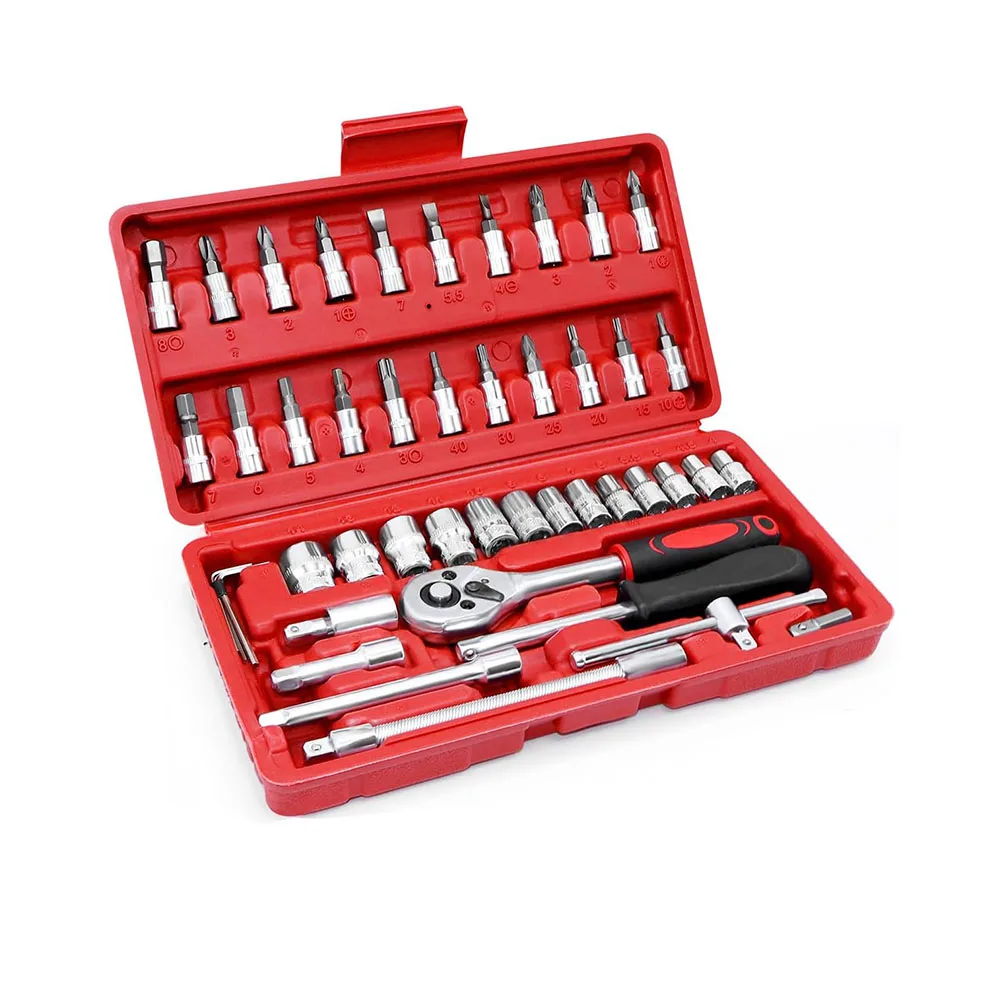
At the heart of every socket wrench is the ratcheting head. This feature allows the handle to move back and forth while the socket turns in only one direction. A small lever on the side switches between tightening and loosening modes. Slide it forward to tighten. Pull it back to loosen.
Inside the head, a gear system controls movement. When you swing the handle clockwise, the pawl engages with the gear teeth. This transfers force to the socket. On the return stroke, the pawl slides over the teeth. This prevents backward motion. The result is continuous turning with minimal effort.
The drive size determines compatibility. Common drive types are 1/4-inch, 3/8-inch, and 1/2-inch. Smaller drives suit light-duty jobs like electronics or bike repairs. Larger ones handle heavy automotive work. Always match the drive to your socket set.
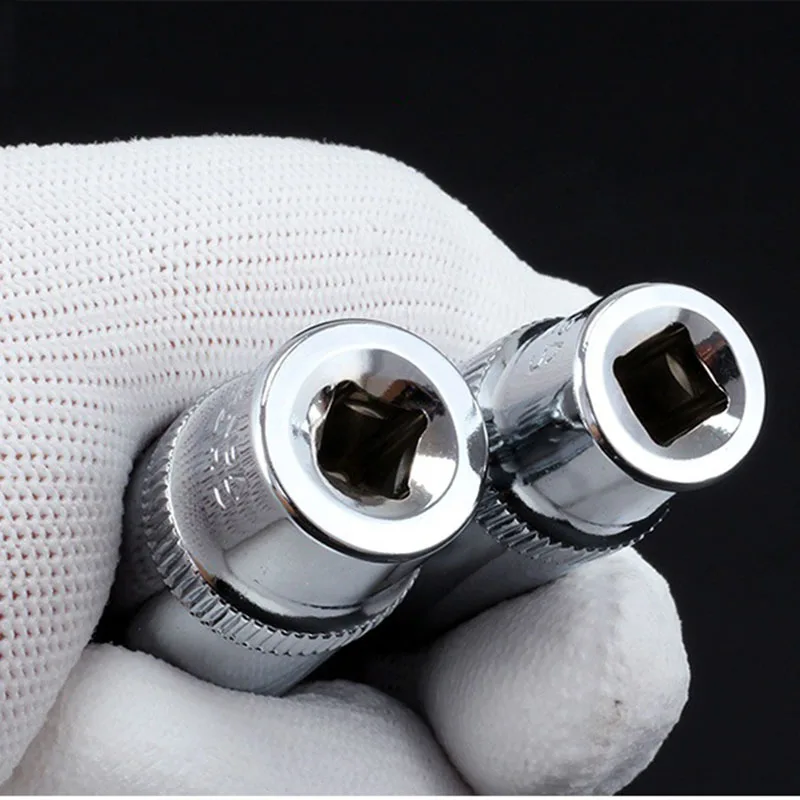
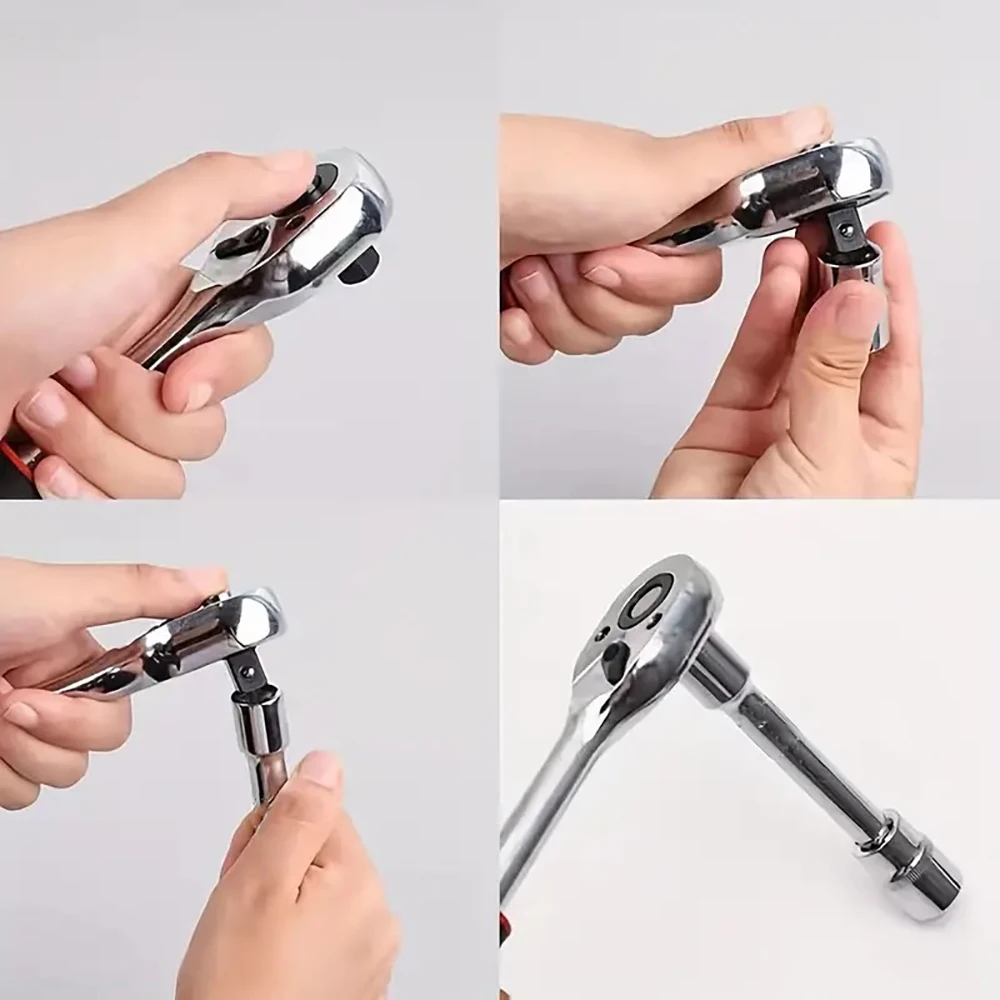
Socket attachments slide onto the square drive end. A spring-loaded ball detent holds them in place. Push the socket on until it clicks. Give it a tug to confirm it’s secure. Never use a loose socket—it may slip under pressure.
Some wrenches have quick-release buttons. Pressing them ejects the socket instantly. Others require manual removal. Choose based on how often you switch sizes.
This simple yet effective design makes the socket wrench ideal for tight spaces. You can reach behind engines or into narrow gaps. Few tools offer this level of flexibility.
Types of Wrenches Available
Choosing the Right Style for Your Needs
Not all socket wrenches are the same. Each type serves different purposes. The standard ratcheting wrench is the most common. It works well for general repairs. Its jointed head fits into cramped areas. Use it for oil changes, brake jobs, or home projects.
A flex-head socket wrench has a bendable neck. This allows angled access. It’s useful when working around obstructions. For example, reaching a bolt behind a fuel line. The pivot point gives extra range.
Gooseneck wrenches have a fixed curve. They don’t adjust but offer consistent alignment. These are durable and less likely to break. Ideal for repetitive tasks in assembly settings.
Breaker bars are another variation. They look like socket wrenches but lack ratchets. Instead, they provide maximum torque. Use them to loosen stubborn bolts. Their long handles multiply force. Attach a cheater pipe for even more power.
T-handle wrenches offer precise control. They resemble a T-shaped bar with a socket holder. Great for slow, accurate tightening. Often used in aviation or appliance repair.
Speed brace wrenches combine a crank with a ratchet. They let you spin nuts quickly. Useful when installing multiple screws. Some mechanics use them during tire changes.
Finally, telescoping wrenches extend in length. They reach deep into frames or walls. Collapse them for storage.
Choosing the right type depends on your project. Consider space, force, and speed needs.
 Selecting the Correct Sockets
Matching Size, Drive, and Material
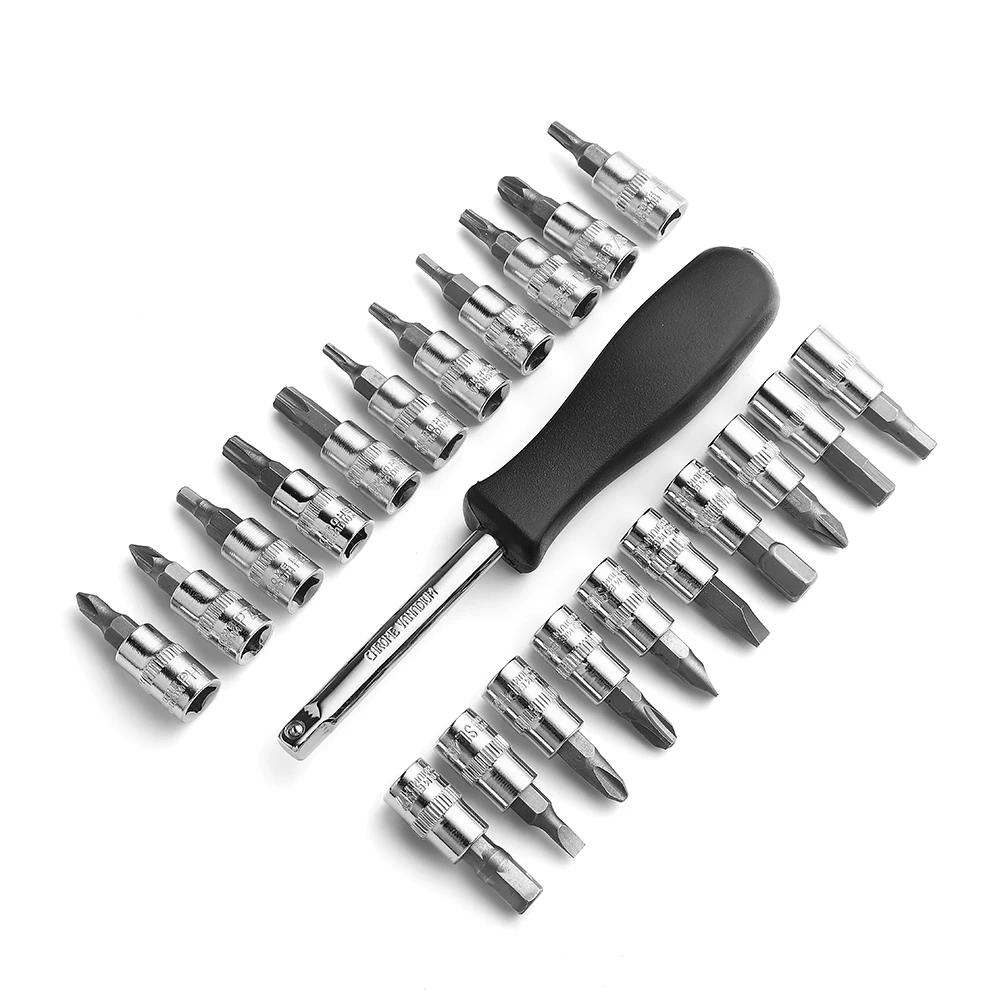
Sockets must match your socket wrench to work properly. First, check the drive size. A 3/8-inch wrench won’t accept 1/2-inch sockets. Mixing sizes causes damage. Label your sets to avoid confusion.
Next, choose the right measurement system. Metric sockets use millimeters (e.g., 10mm). Standard (SAE) uses inches (e.g., 3/8″). Most cars today use metric. Older American vehicles may use SAE. Have both sets if needed.
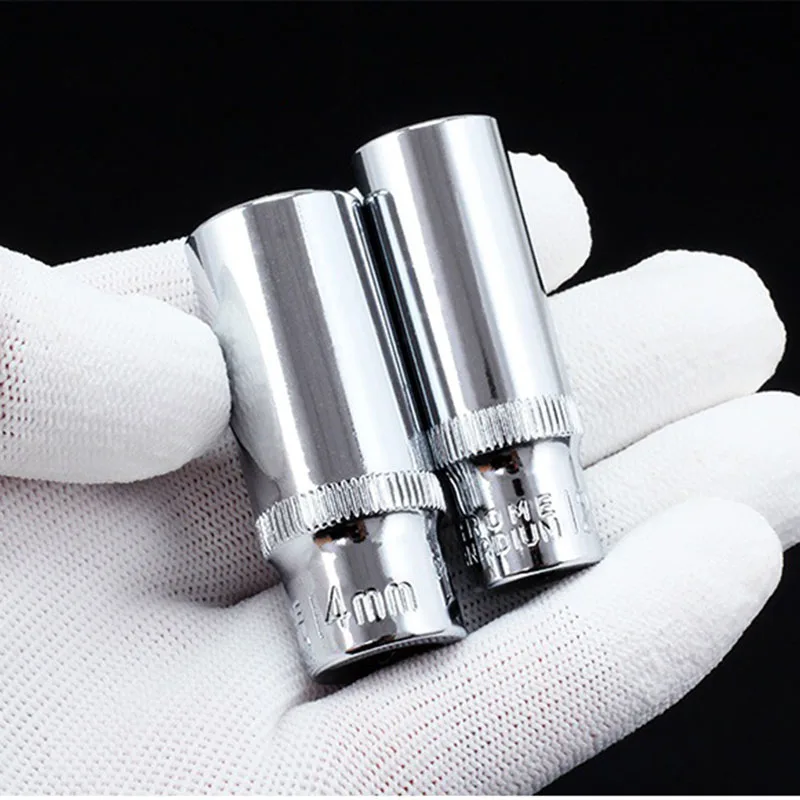
Socket depth matters too. Shallow sockets are shorter and wider. They fit flush against flat surfaces. Deep sockets cover longer bolts. Use them for spark plugs or wheel studs.
Six-point sockets grip flats on bolts. They reduce rounding on damaged fasteners. Twelve-point versions allow more starting angles. These make alignment easier. Use them when space limits hand movement.
Material also plays a role. Chrome vanadium steel is strong and rust-resistant. It withstands high torque. Impact sockets are thicker. They resist fracturing under sudden force. Never use regular sockets with impact guns.
Some sockets come with built-in features. Swivel ends help at odd angles. Padded grips improve comfort. Magnetic inserts hold bolts in place. These small upgrades save time.
Always inspect sockets before use. Look for cracks, worn edges, or stripped insides. Replace damaged ones immediately.
Proper selection ensures safety and performance.
Using a Socket Wrench Safely
Preventing Injury and Tool Damage
Safety is essential when using a socket wrench. Start by wearing protective gear. Gloves protect hands from sharp edges. Safety glasses shield eyes from flying debris. Long sleeves prevent scratches.
Ensure the socket is fully seated on the fastener. Partial contact leads to slippage. This can strip the bolt or injure the user. Apply steady pressure. Avoid jerking motions.
Use the correct socket size. Too large or too small increases failure risk. Test fit before applying force. If the socket wobbles, switch to a better fit.
Pull instead of push whenever possible. This keeps your body balanced. If pushing is necessary, use an open palm. Never lock your wrist. That could cause injury if the tool slips.
Avoid extending the handle with pipes. Cheater bars multiply force but may break the wrench. This damages tools and risks harm. Buy a breaker bar instead.
Keep your workspace clean. Oil, water, or dirt reduce grip. Wipe surfaces before starting. Secure loose clothing or hair.
Don’t overtighten. Follow manufacturer torque specs. Over-torquing damages threads or warps parts. Use a torque wrench for critical jobs.
Store the socket wrench properly. Hang it or place it in a case. Avoid tossing it into a toolbox. Metal-on-metal contact dulls edges.
Clean the tool after use. Wipe off grease and grime. Dry it completely to prevent rust.
Safe habits extend tool life and protect users.
 Maintenance Tips for Longevity
Caring for Your Socket Wrench Over Time
Regular maintenance keeps your socket wrench working smoothly. After each use, wipe it down with a dry cloth. Remove oil, dust, and metal shavings. This prevents buildup inside the ratchet.
Lubricate the ratcheting mechanism monthly. Use lightweight tool oil. Apply a few drops near the gear housing. Work the handle back and forth to spread it evenly. Do not use WD-40 as a lubricant. It removes moisture but doesn’t protect long-term.
Inspect the spring-loaded detent ball. This tiny part holds sockets in place. Clean it with a toothbrush if clogged. Replace it if missing or weak.
Check the ratchet teeth for wear. Smooth or chipped teeth reduce grip. Replace the wrench if slipping occurs.
Store sockets separately. Keep them in a rail or tray. This avoids scratching and loss. Label sizes for quick access.
Never expose the tool to moisture for long periods. Water causes rust. Store in a dry area. Use silica gel packs in cases to absorb humidity.
Impact tools need special care. Clean them after every job. Dirt enters internal parts easily. Disassemble if recommended by the maker.
Replace worn parts promptly. Many brands sell replacement heads or handles. This extends the life of expensive sets.
A well-maintained socket wrench lasts decades. Treat it with care.
Applications Across Different Fields
Where the Socket Wrench Makes a Difference
The socket wrench is vital in many industries. In automotive repair, it removes wheels, exhaust systems, and engine covers. Mechanics rely on it daily. It speeds up tasks and reduces fatigue.
Bicycle maintenance uses smaller versions. Tighten pedal cranks or adjust derailleurs. Compact 1/4-inch sets fit in bike bags.
Homeowners use it for furniture assembly. Flat-pack items often include hex bolts. A socket wrench installs them faster than screwdrivers.
Plumbing jobs benefit too. Access hard-to-reach fittings under sinks. Use deep sockets for long pipe nuts.
HVAC technicians use them on air conditioning units. Bolts on compressors and ductwork require torque.
In manufacturing, production lines use pneumatic socket wrenches. These are powered by air. They tighten hundreds of bolts per hour.
Farmers and equipment operators fix tractors and harvesters. Large 1/2-inch drives handle heavy-duty hardware.
Even aerospace engineers use precision versions. Torque-sensitive models ensure safety.
DIY crafters use them for building sheds or decks. Any project with nuts and bolts becomes easier.
No matter the field, the socket wrench saves time and effort.
 Frequently Asked Questions
Solving Common User Concerns
Can I use a socket wrench on stripped bolts? Not effectively. Try a locking plier first. Then replace the bolt.
What’s the difference between chrome and impact sockets? Chrome is for hand tools. Impact sockets are stronger. They resist cracking.
Do electricians use socket wrenches? Yes, for mounting panels or conduit boxes.
How do I know when to replace a socket? Look for rounded corners or cracks.
Can I drop a socket wrench? Avoid it. Drops misalign internal gears.
Are all ratchets reversible? Yes. A small lever changes direction.
Where can I buy replacement parts? Hardware stores or online retailers carry them. Search “socket wrench” accessories.
Is it safe to use on live electrical systems? No. Turn off power first. Always follow safety rules.
 Final Thoughts
Building Confidence Through the Right Tools
Owning a reliable socket wrench transforms how you approach repairs. It gives you control, speed, and precision. Whether you’re changing a tire or restoring an engine, this tool delivers results.
More than just metal and gears, it represents self-reliance. You don’t need to hire help for every small job. With practice, you’ll tackle bigger challenges.
Choose quality over price. Invest in durable sets. Learn proper use and care.
As your skills grow, so will your confidence. The socket wrench remains a constant companion. It proves that sometimes, the simplest tools make the biggest difference.