If you’re new to bowling, choosing the right equipment is one of the most important steps. One key decision is finding the best bowling ball for beginners. This tool impacts your accuracy, control, and overall enjoyment of the game. Without a proper ball, even simple rolls can feel frustrating. With the right one, every throw becomes more consistent and fun.
Moreover, the best bowling ball for beginners doesn’t have to be expensive or complicated. Many top options are designed specifically for learning players. They offer balanced weight, easy grip, and smooth roll. As a result, they help build confidence and skill from day one.
 Why the Best Bowling Ball for Beginners Matters
Building Confidence Through Consistent Performance
Using the best bowling ball for beginners makes a real difference in early development. When a ball rolls straight and hits pins reliably, it boosts motivation. New bowlers feel encouraged to keep practicing. On the other hand, an ill-fitting or overly aggressive ball can lead to frustration. It may hook too much or veer off course unexpectedly.
Additionally, a beginner-friendly ball teaches proper form. It responds well to clean releases. This helps learners focus on stance, timing, and follow-through. Over time, these habits become natural. Because the ball performs predictably, feedback is clear. You learn faster when results match effort.
It also reduces physical strain. Heavy or unbalanced balls can cause wrist or shoulder pain. In contrast, entry-level models use lighter weights and smoother cores. Therefore, the best bowling ball for beginners supports long-term play without injury.
Key Features of the Bowling Ball for Beginners
Weight, Coverstock, Core Design, and Grip
When selecting the best bowling ball for beginners, several features matter most. First, weight plays a major role. Most beginners choose between 10 and 14 pounds. A good rule is to pick a ball that weighs about 10% of your body weight. This ensures control without strain.
Next, consider the coverstock—the outer layer. Urethane and plastic (also called polyester) are ideal for starters. Plastic balls are less likely to hook. They roll straight down the lane. This helps develop consistency. Urethane offers slightly more friction but still remains predictable.
Core design affects balance and motion. Symmetrical cores are best for beginners. They provide stable, even roll. Asymmetric cores create sharper hooks. These suit advanced players.
Grip comfort is essential. Fitted holes should allow fingers to slide in easily. No pinching or slipping. Some balls come with custom drilling options. Others offer interchangeable inserts. These let you adjust fit as your game improves. Together, these traits define the best bowling ball for beginners.
 Top Brands That Make Beginner-Friendly Bowling Balls
Storm, Brunswick, Ebonite, and Pyramid
Several brands consistently produce the best bowling ball for beginners. Storm is known for its React line. These balls feature lightweight construction and smooth plastic coverstocks. They roll true and resist cracking. Many are priced under $80, making them budget-friendly.
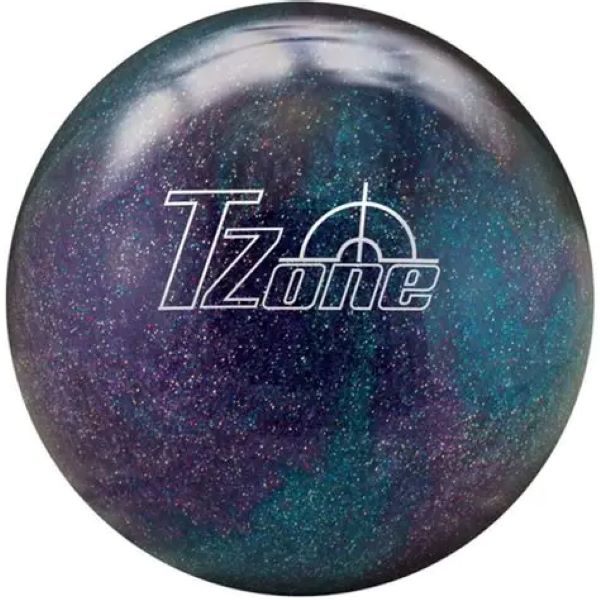
Brunswick has long supported new players. Their T-Zone series uses high-gloss plastic. It delivers reliable performance on dry and oily lanes. The balls come pre-drilled or ready for customization. This adds convenience for first-time buyers.
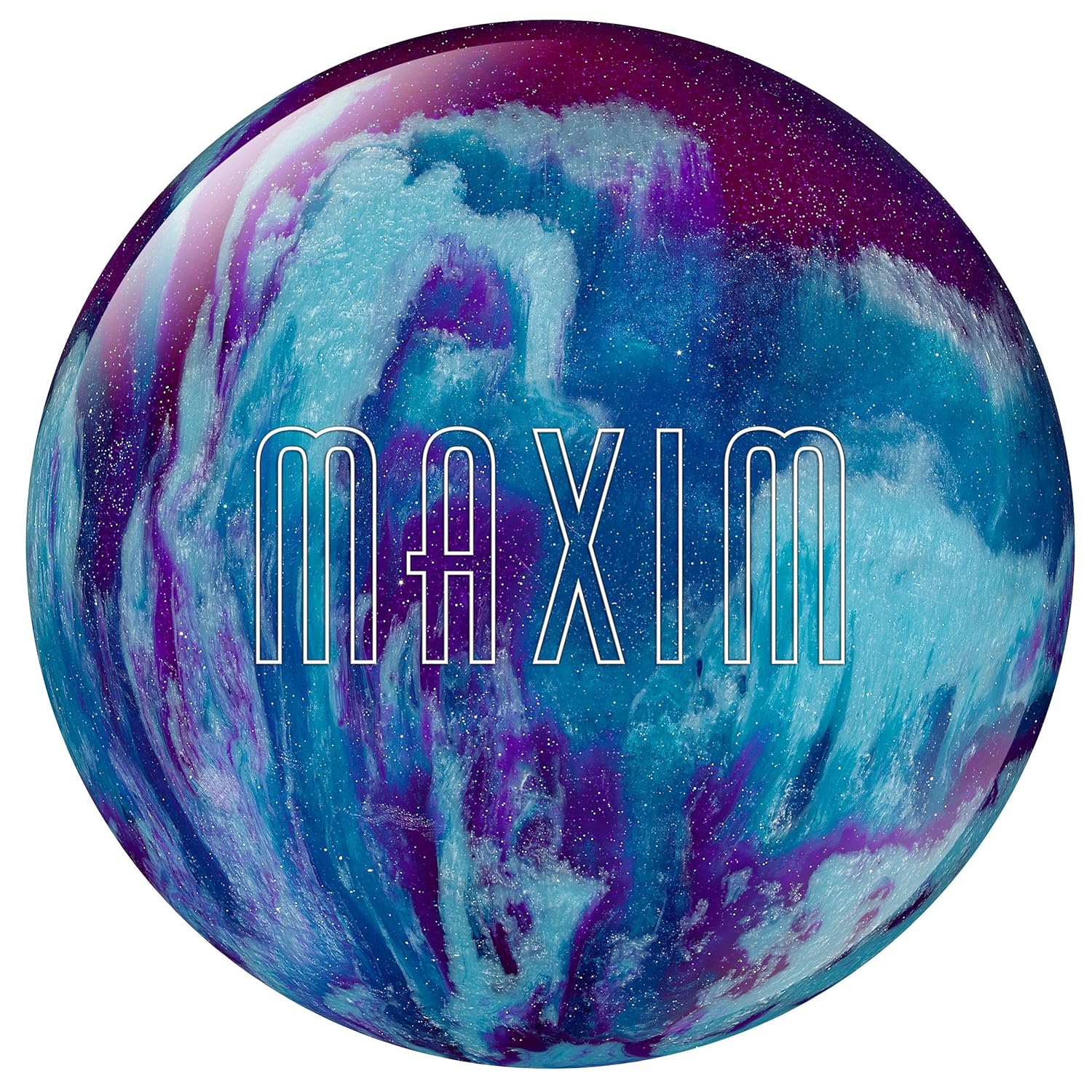
Ebonite’s Maxim line is another solid choice. It uses durable polyester material. The weight blocks stay centered. This prevents wobbling. These balls handle repeated use well. They’re common in rental sets for a reason.
Pyramid offers excellent value. Their Black Magic Pearl model gives slight backend reaction. Yet, it remains manageable for learners. It bridges the gap between basic and mid-level balls.
Each brand focuses on durability, ease of use, and affordability. By choosing from these names, you get quality without confusion. These brands back their products with strong warranties and support. That means fewer worries if something goes wrong.
How to Choose the Right Size and Fit
Measuring Hand Size and Testing Drills
Finding the correct fit is crucial for the best bowling ball for beginners. Start by measuring your hand. Place it palm-down on paper. Trace around your fingers and thumb. Measure the lengths and widths. Share this with a pro shop staff member. They will use it to drill accurate holes.
Most adults need a ball with three holes. One each for the ring finger, middle finger, and thumb. Finger depth should reach the second knuckle. Thumb fits snugly but slides out smoothly during release. If it sticks, the hole is too small. If it moves freely, it’s too big.
Some balls come with adjustable inserts. These let you change fit over time. Others are sold undrilled. You take them to a local shop for personalization. This ensures maximum comfort and safety.
Test different grips before deciding. Roll a few practice shots. Pay attention to how the ball feels at release. It should not twist or strain your wrist. A proper fit leads to better control and fewer injuries.
 Where to Buy the Bowling Ball for Beginners
Pro Shops, Online Retailers, and Bowling Centers
Purchasing the best bowling ball for beginners can happen in multiple places. Local pro shops are often the best option. Staff there assess your style, hand size, and needs. They recommend models based on experience level. Plus, they offer drilling services on-site.
Online stores like Amazon, eBay, and BowlerX carry many beginner models. Product listings include specs, customer reviews, and photos. Compare prices across platforms. Look for free shipping and return policies. Read comments about grip comfort and lane performance.
Bowling centers sometimes sell starter kits. These include a ball, bag, and shoe covers. They bundle essentials at a discount. Rental programs also let you test different balls before buying.
For beginners, in-person help matters. A trained fitter adjusts hole spacing and depth. This ensures proper alignment. Mistakes in drilling can ruin performance. Therefore, visiting a pro shop increases your chances of success. Whether online or local, always check warranty terms.
Caring for Your Beginner Bowling Ball
Cleaning, Storage, and Regular Maintenance
After each use, care for your best bowling ball for beginners properly. Wipe it down with a microfiber cloth. Remove oil and dirt buildup. This keeps the coverstock working well. Over time, oil absorption reduces traction. Clean balls react better on the lane.
Use a bowling ball cleaner spray occasionally. Apply it after games. Rub gently with a soft towel. Avoid household cleaners. They can damage the surface.
Store the ball at room temperature. Do not leave it in hot cars or cold garages. Extreme heat or cold warps the core. This alters balance and roll. Keep it in a padded bag. This protects against bumps and scratches.
Inspect it monthly. Check for cracks, chips, or rough patches. Smooth minor scuffs with fine sandpaper. For deep damage, see a pro shop. They can resurface or polish the ball.
Rotate usage if you own multiple balls. This extends life. Also, avoid using house balls once you have your own. They wear differently and confuse muscle memory. Proper care ensures lasting performance.
 How to Improve Your Game with the Right Ball
Practice Tips and Skill Development
Owning the best bowling ball for beginners opens doors to real progress. Use it during open play sessions. Focus on form and repetition. Release the ball the same way each time. This builds consistency.
Practice spare shooting. Aim for single pins like the 7 or 10. Learn how your ball reacts on dry versus oily parts of the lane. Note when it starts to hook. Adjust foot position accordingly.
Try target-based drills. Pick arrows or dots on the lane. Aim your ball at them. This improves accuracy. Watch where the ball crosses the headpin. Adjust aim until strikes increase.
Record videos of your throws. Review them later. Look for flaws in stance or swing. Compare with tutorial clips online.
Join a beginner league. Play weekly with others at your level. Friendly competition motivates growth. Coaches often give tips during games.
Over time, your ball will show wear patterns. Study them. They reveal your style and tendencies. Use this data to refine technique. The right ball turns practice into measurable improvement.
Frequently Asked Questions About the Bowling Ball for Beginners
Common Concerns Answered Clearly
What weight ball should I start with?
Beginners usually pick 10–14 pounds. Choose one about 10% of your body weight.
Do I need custom drilling?
Yes. Pre-drilled balls rarely fit perfectly. Custom holes improve control and safety.
Can I use a house ball instead?
You can. But your own ball offers better consistency and hygiene.
How often should I clean my ball?
Wipe it after every session. Use cleaning spray every few weeks.
Are plastic balls only for beginners?
Mostly. They don’t hook much. Advanced players prefer reactive resin.
Can kids use adult-sized balls?
No. Use youth sizes. Lighter weights protect joints and build proper form.
 Final Thoughts on Starting Your Bowling Journey Right
Choosing Confidence, Control, and Fun
Picking the best bowling ball for beginners is a smart move for anyone starting out. It brings control, comfort, and steady progress. Unlike rental balls, it responds the same way every time. This builds trust in your skills.
From stormy nights to weekend leagues, your ball becomes a trusted partner. It grows with you as your game evolves. With care and practice, it lasts for years. Ultimately, the best bowling ball for beginners isn’t just gear—it’s the foundation of a fun and rewarding sport.