The olympics swimming results capture the world’s attention every four years. Fans watch in real time as elite athletes race in fast-paced, high-stakes events. These moments define careers and break records. From sprint freestyle to grueling medley relays, each race brings drama, speed, and emotion.
Moreover, olympics swimming results do more than list winners. They tell stories of perseverance, training, and national pride. A swimmer’s time can improve by mere hundredths of a second. Yet, that tiny margin may mean gold versus silver. As a result, analyzing results offers deep insight into athletic excellence.
 Why Olympics Swimming Results Matter to Fans and Athletes
Olympics swimming results are more than just rankings. They reflect years of sacrifice and dedication. For swimmers, standing on the podium is a lifelong dream. Even finishing in the top eight is a major achievement.
Additionally, these results influence future training. Coaches study stroke efficiency, turn times, and split speeds. They use the data to refine techniques. Athletes compare their performance to rivals. This helps set new goals.
For fans, the results spark excitement and debate. Who was the most improved? Which country dominated the pool? People follow medal counts and personal bests.
Media outlets highlight standout moments. Records broken, surprise wins, and heartbreaking losses make headlines. Social media amplifies the buzz.
Therefore, olympics swimming results serve athletes, teams, and global audiences. They connect sport with story.
How Olympics Swimming Results Influence Future Competitions
Past results shape future strategies. Teams analyze data to build stronger lineups. For example, if a relay team underperforms, coaches may switch the order. They test different combinations in training.
Countries with weak showings often invest more in swimming programs. Australia and the U.S. use results to fund youth development. They scout young talent early.
Athletes gain confidence from strong performances. A top-ten finish boosts morale. It motivates harder training. Conversely, a loss can fuel determination. Michael Phelps lost in 2000 but came back stronger.
World Aquatics (formerly FINA) uses results to update rankings. These affect seeding in future events. Top swimmers avoid early matchups with rivals.
Even sponsorship deals depend on results. Brands favor medalists. High placements increase visibility.
Thus, olympics swimming results have long-term impacts. They affect careers, funding, and global reputation.
 How to Access Real-Time Swimming Results
Viewing live olympics swimming results is easier than ever. The official Olympics website provides real-time updates. It lists every heat, semifinal, and final. Users see splits, lane assignments, and reaction times.
The Olympic app delivers push notifications. Fans get alerts when their favorite athletes race. They track medal counts by country. This keeps them engaged.
International broadcasters like NBC and BBC show results during coverage. On-screen graphics display times instantly. Expert commentators explain surprises.
Social media platforms add real-time discussion. Twitter, Instagram, and TikTok share clips and reactions. Hashtags trend during key races.
Some websites offer detailed analytics. SwimSwam and World Aquatics break down each race. They compare seasonal bests and world records.
Therefore, fans have multiple ways to follow olympics swimming results. Whether live or on replay, access is fast and reliable.
Best Websites and Apps for Tracking Swimming Results
Several platforms deliver accurate olympics swimming results. The official Olympics site (olympics.com) is the most trusted. It updates within seconds of race end. Results include full heat summaries and medal tables.
World Aquatics (worldaquatics.com) offers in-depth data. It tracks world rankings and qualifying times. Users compare swimmers across seasons.
NBC Olympics provides U.S.-focused coverage. It includes video highlights, athlete bios, and medal forecasts. The app syncs with TV broadcasts.
SwimSwam is a fan favorite. It reports breaking news. It analyzes race tactics. Its live blogs cover every event.
The Olympic Timer app gives real-time alerts. Users follow specific swimmers or events. It works during all time zones.
Google also shows results. Search “swimming results Olympics” for instant data. It pulls from official sources.
Thus, multiple tools help fans stay informed. Each offers unique features. Choose based on needs and preferences.
Recent Highlights from Swimming Results
The 2020 Tokyo Olympics brought thrilling olympics swimming results. Caeleb Dressel of the U.S. won five golds. He claimed the 50m and 100m freestyle. He also dominated the 100m butterfly.
Australia’s Emma McKeon earned four golds and three bronzes. She became her country’s most decorated Olympian. Her freestyle speed stood out.
Léon Marchand of France surprised many. He won gold in the 400m IM. He beat top favorites with strong underwater kicks.
The U.S. men’s 4x100m medley relay team claimed victory. They set an Olympic record. Ryan Murphy, Michael Andrew, Caeleb Dressel, and Zach Apple delivered clean performances.
In the women’s 200m breaststroke, Tatjana Schoenmaker of South Africa took gold. She set a world record. Her underwater phase was exceptional.
These results showed depth and surprise. New names emerged. Legends confirmed their status. The pool remained one of the most exciting venues.
National Performance Trends in Swimming Results
Olympics swimming results reveal country strengths. The United States has long led in total medals. Its depth in freestyle and butterfly events is unmatched. Year-round training centers support talent.
Australia excels in sprint freestyle and butterfly. Swimmers like Kyle Chalmers and Emma McKeon deliver under pressure. Their starts and turns are among the best.
China has grown in women’s events. Tang Qianting and Zhang Yufei earned multiple medals. Their consistency in relays is strong.
France has risen recently. Léon Marchand’s IM wins signal a new era. His training in Arizona improved his endurance.
Hungary remains strong in individual medley and breaststroke. Kristóf Milák holds world records. His 200m butterfly form is near perfect.
Canada earned medals through Maggie Mac Neil and Summer McIntosh. Youth development is paying off.
These trends show how nations focus on specialties. Investment, coaching, and culture shape olympics swimming results.
 How Swimming Events Are Scored and Ranked
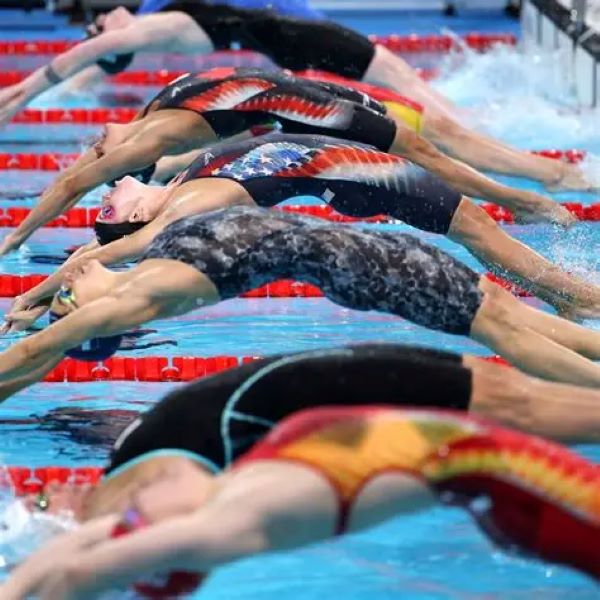
Olympics swimming results depend on time, not position alone. The fastest swimmer wins gold. Silver and bronze go to second and third.
Each event includes heats, semifinals, and finals. Top times advance. In relays, one team failure eliminates the whole squad.
Swimmers are seeded by entry time. Faster qualifiers race in later heats. This ensures fairness.
Electronic touchpads record results. They are accurate to 0.01 seconds. If times are equal, both receive the same medal.
In case of a tie, photo finishes determine rank. High-speed cameras analyze who touched first.
World records must meet strict criteria. The pool must be approved. Swimsuits must follow regulations.
False starts result in disqualification. Swimmers must wait for the starting beep. Reaction time is monitored.
Thus, every second counts. The scoring system ensures fairness and precision.
Behind the Scenes: How Results Are Verified and Published
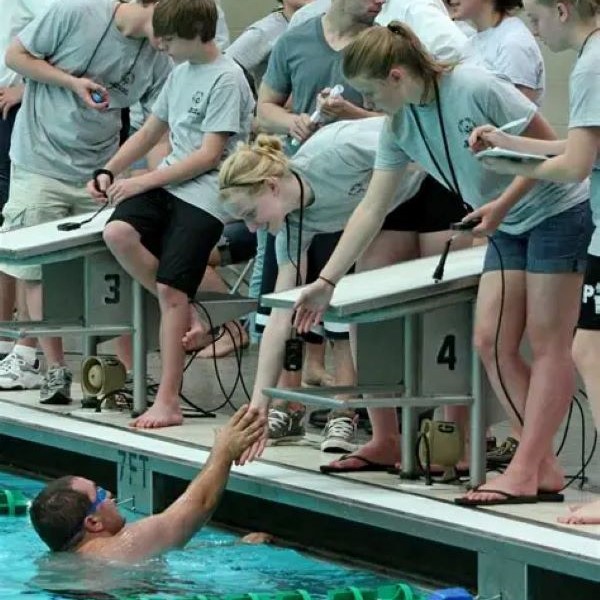
After each race, officials verify olympics swimming results. Timekeepers check touchpad data. Backup systems include video and manual timers.
Judges confirm no rule violations. They watch for illegal turns or strokes. Underwater kicks in butterfly must follow limits.
The Technical Controller reviews all data. They approve results before release. This takes just minutes.
Results go to the scoreboard and digital platforms. Broadcasters receive feeds instantly.
Any protest must happen within 10 minutes. Coaches file appeals. A jury reviews video evidence.
Once confirmed, results become official. They feed into medal tables. Records are certified by World Aquatics.
This process ensures trust. Fans know results are accurate. Athletes compete with confidence.
 Frequently Asked Questions
Where can I find olympics swimming results live? Visit olympics.com or use the Olympic app. Both update in real time.
Do results include split times? Yes. Official results show 50m, 100m, and turn times for longer races.
How are ties handled? Both swimmers receive the same rank. Medals are shared. No swim-off occurs.
Can results change after the race? Only if a disqualification happens. This occurs if rules are broken.
Are relay results based on team time? Yes. The clock stops when the last swimmer touches.
Do doping tests affect results? Yes. If a swimmer fails, results are voided. Medals are reassigned.
Where can I see historical data? Check olympics.com or the World Aquatics website. Both archive past events.
These answers help fans understand how results work.
 Final Thoughts
Olympics swimming results are more than numbers. They represent heart, speed, and human potential. Each race tells a story of effort and emotion.
From digital updates to medal ceremonies, these results connect the world. Fans celebrate national pride. Athletes achieve lifelong dreams.
Whether you follow live or review later, the data offers depth. It reveals trends, surprises, and excellence.
Therefore, don’t just watch the race. Study the olympics swimming results. Because behind every time is a journey worth knowing.